Structured, Clinician-Led Therapy Using Tabletop Roleplaying Games
I offer therapy groups that use tabletop role-playing games as evidence-informed therapeutic tools. These groups support emotional regulation, social connection, identity development, and coping skills through guided storytelling and collaboration.
These are therapy groups, not recreational gaming groups. All groups are:
- Facilitated by a licensed mental health professional
- Goal-directed and clinically structured
- Time-limited with clear expectations
- Focused on therapeutic outcomes
While we play games, the primary purpose is therapeutic growth, connection, and skill-building.
How Game Therapy Works
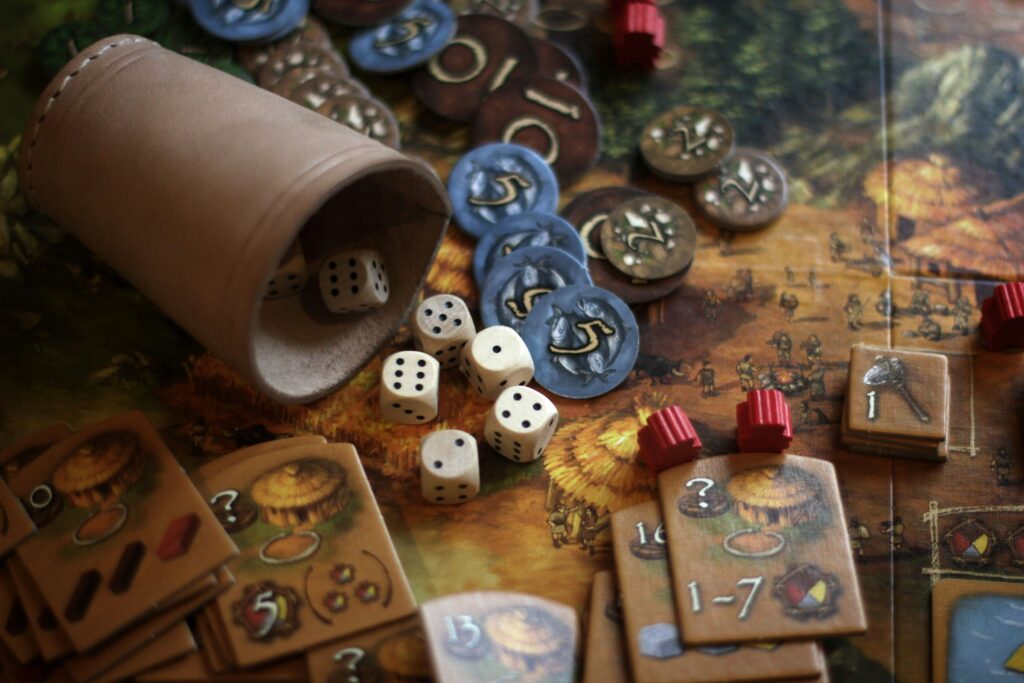
Tabletop roleplaying games like Dungeons & Dragons offer a unique therapeutic framework:
Safe Exploration:
Through character roleplay, you can explore different aspects of yourself, try new behaviors, and practice emotional responses in a low-stakes environment.
Narrative Processing:
Creating and living through shared stories allows you to process your own experiences metaphorically, making difficult emotions more manageable.
Social Connection:
Groups provide consistent peer interaction, shared purpose, and the experience of being part of something larger than yourself.
Skill Building:
Games naturally teach communication, collaboration, problem-solving, flexible thinking, and frustration tolerance.
Engagement & Motivation:
The structured yet creative nature of gaming supports engagement, especially for those who find traditional therapy formats challenging.
Who Game Therapy Helps
Game therapy groups are especially effective for:
- Adults experiencing depression, low mood, or social isolation
- Teens working on social confidence and peer connection
- Children building emotional regulation and cooperation skills
- Neurodivergent individuals who think in stories and systems
- People who find traditional group therapy formats intimidating
- Anyone seeking a connection through experiential learning
No prior gaming experience required. If you’ve never played D&D or any tabletop game, that’s completely fine. I’ll teach you everything you need to know.
Evidence-Based Support for Therapeutic Gaming
Game therapy isn’t just a novel idea—it’s grounded in growing research evidence. Over the past decade, mental health professionals and researchers have begun studying tabletop role-playing games (TTRPGs) such as Dungeons & Dragons as therapeutic interventions, with promising results.
Recent research highlights:
- Rosenblad, S. R., Wolford, T., Brennan, R. S., III, Darnell, J., Mabry, C., & Herrmann, A. (2025). Mastering Your Dragons: Using Tabletop Role‑Playing Games in Therapy. Behavioral Sciences, 15(4), 441. https://doi.org/10.3390/bs15040441
- Yuliawati, L., Wardhani, P. A. P., & Ng, J. H. (2024). A Scoping Review of Tabletop Role‑Playing Game (TTRPG) as Psychological Intervention: Potential Benefits and Future Directions. Psychology Research and Behavior Management, 17, 2885–2903. https://doi.org/10.2147/prbm.s466664
- Merrick, A., Li, W. W., & Miller, D. J. (2024). A Study on the Efficacy of the Tabletop Roleplaying Game Dungeons & Dragons for Improving Mental Health and Self-Concepts in a Community Sample. Games for Health Journal, 13(2). https://doi.org/10.1089/g4h.2023.0158
Group Structure
All groups follow a consistent structure to maximize safety, consistency, and therapeutic benefit:
- Closed, time-limited cohorts: Groups meet for 10 sessions with one planned break week built into the schedule
- 120-minute sessions: Enough time for meaningful engagement and processing
- No new members mid-cohort: Groups remain closed after they begin to maintain psychological safety
- Seasonal rotation: Groups rotate by age and clinical focus throughout the year
Intake Requirement
Participation in any group requires an individual intake session before the group starts.
The intake session is used to:
- Establish therapeutic goals
- Assess clinical fit
- Complete character creation (when applicable)
- Answer questions and set expectations
Fees & Accessibility
Texas Groups: Private pay. Rates vary by group type and duration. A limited number of reduced-fee access slots are available for each group to support accessibility. All participants are held to the same expectations for attendance and commitment.
Washington Adult Group: Billed to insurance. Requires a diagnosis.
What Makes These Groups Different
Unlike recreational game nights or “therapy-adjacent” gaming clubs, these groups are:
✓ Led by a licensed mental health professional
✓ Structured around clinical goals and therapeutic frameworks
✓ Focused on emotional growth, not just entertainment
✓ Time-limited and intentional
✓ Held to professional ethical standards
Is a Game Group Right for You?
Game therapy groups work best if you:
- Benefit from peer connection and shared experience
- Feel isolated, unmotivated, or disconnected
- Find traditional group therapy intimidating or unhelpful
- Respond well to narrative, experiential, or creative approaches
- Are willing to commit to the full 10-session cohort
- Can tolerate structured group expectations
Interested in Joining?
Contact me to discuss whether a group is a good fit for you or your child. I’ll answer your questions, explain the process, and help you determine next steps.